The Second Invoice: Budgeting a Zhejiang Order All the Way to Your Porch

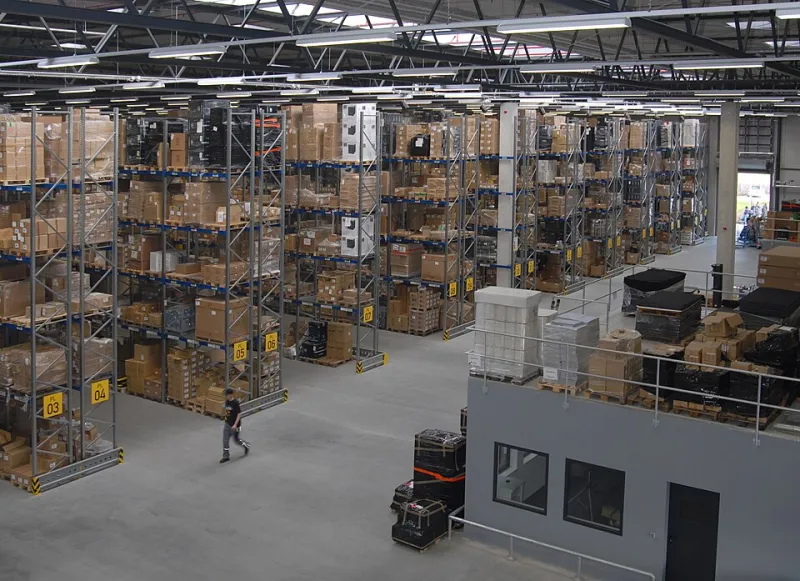
Photo by Photo by Rifki Kurniawan on Unsplash on Unsplash
A $29 desk gadget looks like a bargain until the tracking page says “additional fees due” and the carrier will not release the box without a payment. That is not always a scam. It is often the second invoice—the part of the purchase that never appeared in the cart.
For Zhejiang-sourced orders, the sticker price is only the opening bid. The number that matters is the landed cost: what you have actually spent by the time the package is in your hands, with a little set aside in case the item has to go back. Here is a simple way to build that number before you hit buy.
Why the Cart Total Is Only the Opening Bid
Most listings show two things clearly: the item price and a shipping line. That is useful, but incomplete. International parcels can pick up charges along the way—duty or tariff exposure, carrier brokerage or handling fees, sometimes a disbursement fee for advancing money on your behalf. None of those are universal, and none are guaranteed. That is exactly why they need a line in your budget instead of a shrug.
In 2026, assuming zero for duty is a guess, not a plan. Small-parcel treatment has become less predictable, and the old idea that low-value boxes skate through untouched is not a safe budgeting assumption. You do not need to become an import lawyer. You do need to stop treating “free shipping” as “no further costs.”
The listing is a menu. The carrier’s final ask is the receipt.
The Five-Line Landed-Cost Worksheet
Grab a notes app and build this for any Zhejiang order you are seriously considering. It takes two minutes and saves the ugly surprise later.
Line 1: Item price, including the variant you actually want. That means the larger size, the extra battery, the color that is not the clearance one. Variant upcharges are real and easy to miss.
Line 2: Freight as quoted. Add a buffer if the item is oversized, heavy, or going to a rural address. Some sellers advertise free shipping but later mention a remote-area or oversize surcharge. If the listing is vague about carrier, leave room for a few dollars of uncertainty.
Line 3: Duty or tariff exposure, if applicable. This is the line shoppers most often leave blank. If the seller will not confirm the terms in writing, use a conservative placeholder rather than zero. The goal is not precision. The goal is not being blindsided.
Line 4: Carrier handling or brokerage. This can show up as a brokerage fee, an advancement fee, a disbursement fee, or a delivery appointment charge. It varies by carrier and shipment. A $5 to $10 placeholder on a small parcel is not glamorous, but it is honest.
Line 5: A return reserve. Returns to Zhejiang can cost more than the item. Even if you never use it, set aside a small percentage—say 10% on a first order from a new seller—so a bad fit or a dead-on-arrival gadget does not turn into a full-price loss.
Add the five lines. That is your landed cost. Now compare it to the local alternative, not to the cart total. If the Zhejiang order is only a few dollars cheaper than a U.S. retailer with easy returns, the deal needs a better reason than price.
A $29 Gadget, Recalculated
Here is how the math can go sideways without anyone doing anything obviously wrong.
- Item: $29
- Freight: $8
- Duty or tariff placeholder: $5.80
- Carrier handling: $6
- Return reserve: $3.20
- Landed cost: $52
That is not a worst-case fantasy. It is a normal Tuesday for a small international parcel with a couple of fees attached. The gadget may still be worth $52. But you should be the one deciding that—not a carrier notice on your doorstep.
Red Flags That Push the Second Invoice Higher
Some listings practically invite extra charges. Watch for these patterns.
- “Duties unpaid” buried in the fine print. That usually means the carrier can collect before delivery. It is not automatically a bad deal, but it belongs in your worksheet.
- “Free shipping” with no carrier named. Free to the border is not free to your porch. Ask who hands off the parcel in the U.S.
- “Tax included” with no mention of duty. Sales tax and import duty are not the same thing. A seller may be using the phrase loosely.
- A request to pay fees outside the platform. That removes your paper trail and often your buyer protection.
- No U.S. return address. A return label that leads back to Zhejiang can cost more than the product. Ask before checkout.
- Vague answers to direct fee questions. “Don’t worry” is not a shipping term.
A Three-Question Script for the Chat Box
You do not need a long interrogation. Ask these three questions in the platform chat and keep the answers.
- “Is this shipped DDP or DDU—and who pays any duty, tariff, or carrier brokerage at delivery?” You want a clear sentence, not a maybe. If the seller says the buyer pays, that is fine. Just put it in Line 3 and Line 4.
- “Which carrier delivers in the U.S., and are there any fees not shown at checkout?” A seller who ships regularly should know the handoff carrier. If they cannot name one, assume more uncertainty.
- “If I need to return this, what is the U.S. return address, who pays return freight, and is there a restocking fee?” The answer tells you whether your return reserve is a small cushion or a real expense.
If the seller answers all three in writing, you have something to work with. If the answers are fuzzy, price that fuzziness into your decision—or walk away.
The Point Is Not to Avoid Zhejiang Finds
Zhejiang sellers produce plenty of genuinely useful, well-priced goods. The point is to stop comparing a landed cost to a sticker price. A $29 gadget that lands at $52 is not a scam. It is a $52 gadget. Sometimes that is still a good buy. Sometimes it is not.
Before checkout, write the five-line total next to the listing. Screenshot the seller’s fee answers. If the landed cost still beats your local option—and the return path is clear enough—you can buy with your eyes open. That is a much better feeling than finding out at the door.