Nine Zhejiang Towns, One Cheat Sheet: Where Your Stuff Actually Comes From
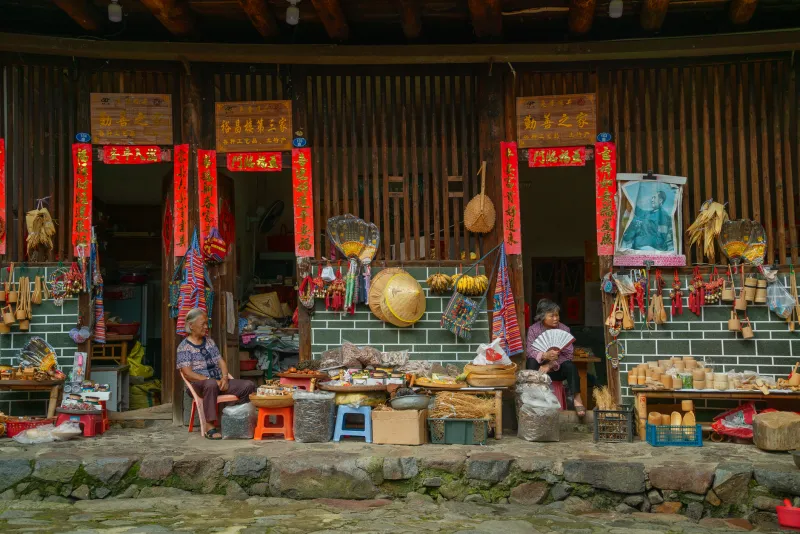
In the U.S. we tend to file everything under one label: made in China. That label hides a lot. Zhejiang, a province roughly the size of Ohio with a similar population, is less a manufacturing region than a mosaic of towns where nearly everybody works on the same product. Drive 40 minutes and the product changes completely — socks to neckties to thermos bottles.
That matters to you at checkout, because suppliers use town names as shorthand for quality. Sometimes that shorthand is earned. Sometimes it is a keyword. Here is how to tell the difference, town by town.
Why the town name means anything at all
When thousands of factories in one place make the same thing, three things happen. Component suppliers move in next door, so parts get cheaper. Workers get fast and specific. And competition gets brutal, which pushes baseline quality up — not to luxury level, but above what you would get from a random workshop two provinces away making pans for the first time.
So a town name is a useful filter, not a promise. Treat it the way you would treat a restaurant that says it is in Brooklyn.
The nine worth knowing
1. Yiwu — small goods, accessories, holiday trinkets
The famous one. Yiwu is a wholesale marketplace more than a factory town, which is exactly the thing to understand: many sellers here are traders, not makers. That is fine for hair clips, party favors, kitchen gadgets under $20, and gift-wrap filler. It is not where you want to buy anything with a motor or a heating element.
Closer look: small housewares, stationery, decorative bits. Fast skip: anything electrical.
2. Yongkang — hardware, cookware, drinkware
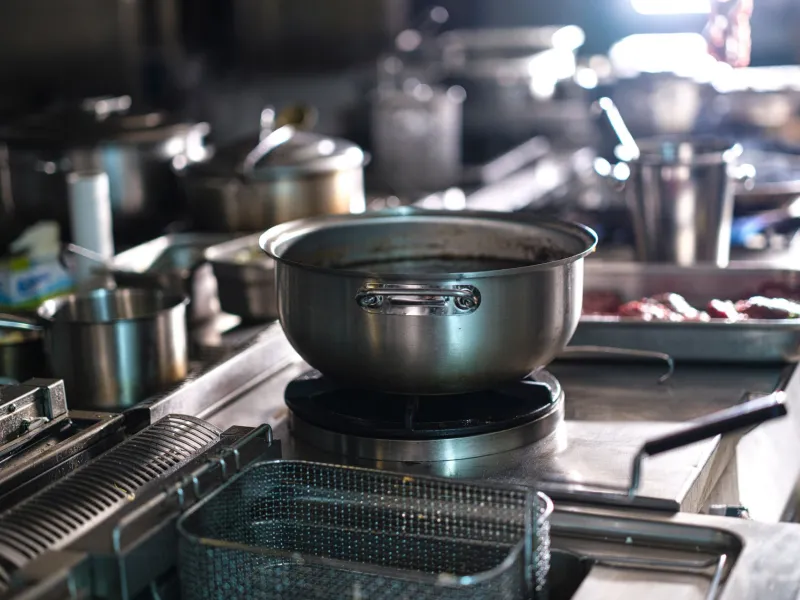
Yongkang is the reason a $28 nonstick skillet can feel better than it should. Cookware, kettles, vacuum flasks, hand tools, ladders, and — oddly — a lot of e-scooters. The metalworking density here is the real thing.
Closer look: pans, thermos bottles, simple hand tools. Watch: coating claims. Ask whether the listing names a food-contact spec, not just the word nonstick.
3. Haining — leather and outerwear
Haining built its name on leather jackets, gloves, and bags, and it still does serious volume. The catch is that the town name gets used to sell a lot of polyurethane. Genuine leather, bonded leather, and PU all photograph identically.
Closer look: gloves, shearling-style outerwear, bags. Fast skip: any coat under about $40 that describes itself as genuine leather without a material breakdown.
4. Zhuji (and its Datang district) — socks
Datang makes an astonishing share of the world's socks, and the quality is consistent in a boring, reliable way. Tights, athletic socks, seamless basics — this is a good place to buy.
Watch: sizing. Chinese sock sizes run small. Find the foot length in centimeters in the listing and convert, or you will be gifting socks to a smaller friend.
5. Shengzhou — neckties and silk accessories
A quieter cluster: ties, bow ties, scarves, pocket squares. Not glamorous, but a genuinely good source for gift-box items where the per-unit cost is low and the perceived value is high.
6. Wenzhou — shoes, eyewear, lighters, locks
Wenzhou is a sprawl of clusters: casual footwear, sunglasses, small metal goods. Good value in glasses frames and everyday shoes, provided you check two things — UV claims on lenses and whether the size chart is in Chinese or U.S. sizing.
7. Cixi and Yuyao, in the Ningbo orbit — small appliances
This is where a lot of genuinely engineered small appliances come from: fans, kettles, irons, blenders, air fryers. The factories here are real and often build for brands you already know.
Closer look: small kitchen appliances, desk fans. Non-negotiable: a U.S. safety listing. If a Cixi air fryer ships without one, the town name does not save it.
8. Huangyan, in Taizhou — plastics and molds
Food storage containers, organizers, plastic housewares, and the molds that make everyone else's plastic parts. Unsexy and dependable. If you are buying stackable bins or lunch containers, this is the neighborhood.
9. Anji — bamboo
Cutting boards, trays, small furniture, utensil holders. Anji bamboo goods are a legitimate category, and the price gap versus American boutique versions is wide. Check for food-safe finish and whether the board is solid bamboo or a veneer over particleboard.
Honorable mentions: Longquan for celadon ceramics, Pujiang for crystal and decorative glass, Dongyang for wood carving and carved furniture.
Reading a listing like someone who has been burned
Three checks, two minutes, saves a return.
- Made in versus ships from. A warehouse in California tells you nothing about the factory. Look for the manufacturer's city on the business license or store profile.
- Name-stacking. A title that stuffs in three different town names plus two brand names is marketing, not provenance. Real cluster sellers usually name one place.
- The fit test. If the town is not known for the category, apply extra scrutiny. A Yongkang seller listing skincare is a trader who happens to be in Yongkang.
Closer look versus fast skip
Worth the deeper read: cookware and drinkware from Yongkang, socks from Zhuji, plastic storage from Taizhou, small appliances from Cixi with a verifiable U.S. safety mark.
Skip without regret: anything with a lithium battery and no certification, sub-$40 leather coats, children's toys without a U.S. compliance statement, and power tools wearing a brand name that is one letter off a famous one.
The takeaway
The town map is a first filter, not a guarantee. Use it to narrow where you look, then do the boring checks — materials, certifications, sizing, and the actual address behind the listing. The shoppers who get burned are rarely the ones who did not know Yongkang exists. They are the ones who read the town name and stopped reading there.